
From 11 to 13 November, Visit Tartu and tourism partners from Tartu County took part in a study visit to Riga and Sigulda as part of the fifth Tourism4SDG project meeting. The focus was on gaining a first-hand understanding of how Latvia is developing sustainable tourism. We explored the country’s national tourism strategy, destination marketing principles and saw up close how circular economy solutions, green airport initiatives and sustainable practices in national parks are being implemented.
Visit Tartu was represented by Annika Ojasaar and Miia Maris Praks. Stakeholders Maarja Ülper (Luunja Municipality) and members of the Emajõgi network Sakari Neuvonen (Tampere House) and Linda Saar (Lodjakoda) also participated.
The Tourism4SDG project began in April 2024 and runs until June 2028.
More information: Miia Maris Praks, Sustainable Tourism Coordinator, miia.praks@visittartu.com
Our journey to Latvia began by train. Travelling from Tartu to Riga by rail is very convenient: you only need to change once in Valga, and the whole trip takes around three hours. The carriage offered plenty of space to work on a laptop, and we all agreed that we would not have minded an even longer ride. Since rail is one of the lowest-footprint modes of transport, it’s a great example of how travelling within the Baltic region can be both environmentally friendly and time-efficient.
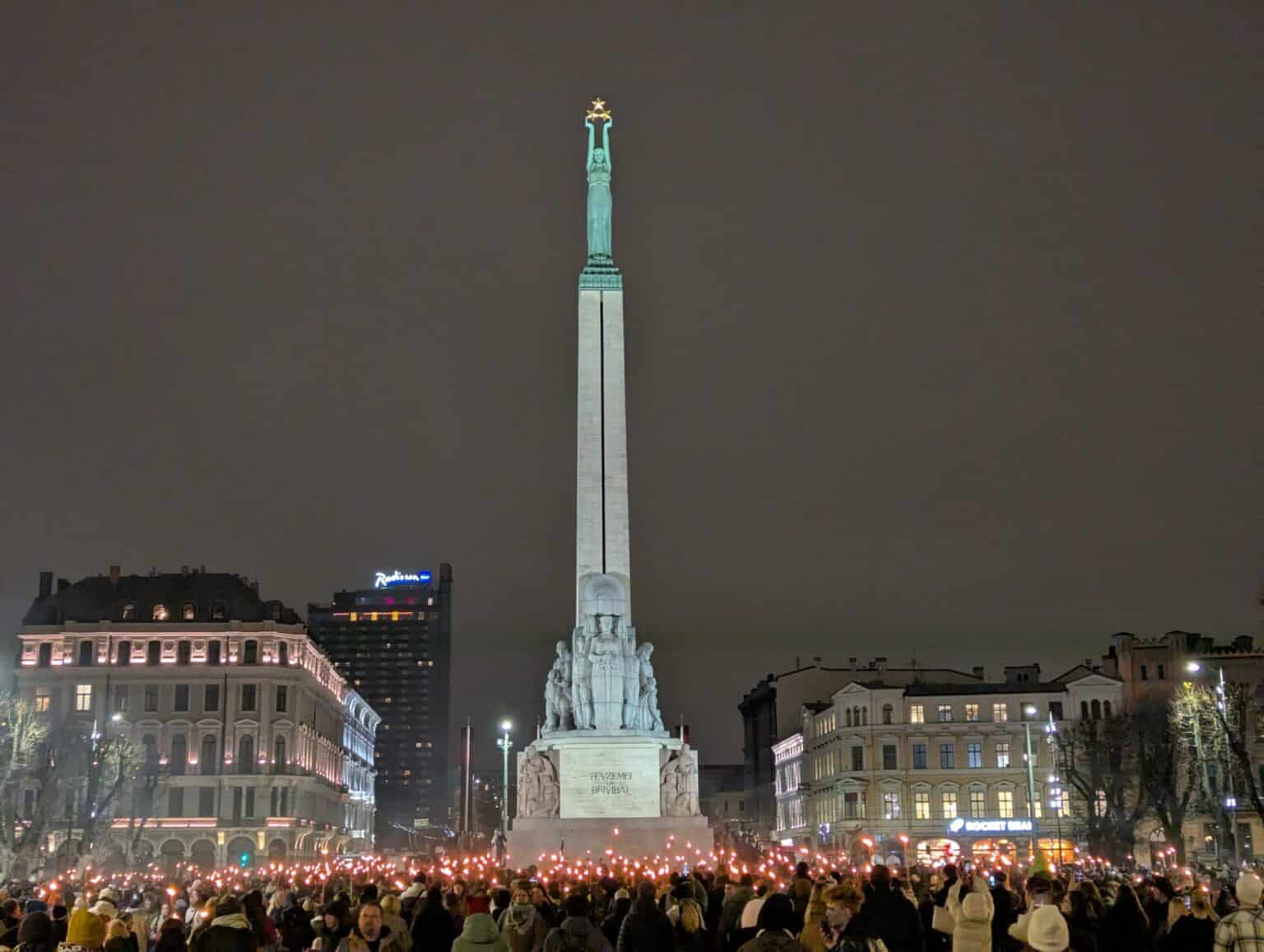
Upon arrival, we were welcomed with a powerful cultural introduction. 11 November is Lāčplēsis Day, Latvia’s memorial day for freedom fighters, and our local partners took us on an evening walk through central Riga.
LIAA’s presentation included a great deal of practical marketing insight. It was interesting to see how strongly their social media and digital platforms (including Latvia.travel) feature in their promotional work. They also use TikTok, which is outsourced to a specialised agency and performs very well among younger audiences. Riga Airport introduced its journey towards climate neutrality, offering a useful comparison to Tartu’s own strategic goals. Their aim is to transition all airport support equipment to electric power and to develop large solar parks. Riga Planning Region presented a study mapping the 60 most sustainable companies in the Pierīga area. They showed how the region encourages a shift towards slow tourism practices (such as Slow Food and Slow Mobility) and works to distribute economic benefits beyond the historic city centre. A PhD candidate from Vidzeme University introduced a circular economy maturity model, which showed that the level of Latvian tourism companies is currently rather average. They understand the concept of circular economy, but apply it only partially. The day concluded with a presentation from Gauja National Park, which showcased how the region achieved EUROPARC certification for 2025–2029
On 13 November, we explored how sustainability and cultural heritage are applied in practice. The Sigulda Castle Quarter demonstrated how a historic castle complex can become a creative hub where craftsmanship, design and local entrepreneurship thrive together. Zilver’s winery showed that circular economy principles can start from even the smallest business: their strong focus on local ingredients and environmental care was particularly impressive. Turaida Museum Reserve, meanwhile, gave a thorough look into how visitor flows can be managed without putting pressure on protected heritage sites.
The day ended with the Good Practices Committee discussion, where project partners compared examples from their destinations and identified ideas to develop further within the project.

The study trip provided Tartu with several valuable points of comparison. Latvia’s community-based initiatives demonstrated how local creativity and cooperation can significantly boost destination visibility. Riga Airport’s path towards climate neutrality offered practical ideas for making transport and energy use in Tartu more sustainable. The circular economy maturity model and the GDS Movement’s emphasis on evidence-based sustainability confirmed the need for Tartu’s businesses — and the destination as a whole — to measure their impact in a more systematic way.