
Sustainable choices by Tartu’s tourism businesses are becoming increasingly visible
There is real reason to be happy in Tartu: a growing number of hotels, restaurants and museums now carry recognised sustainability labels. This is more than just a nice detail on a website or a sticker on the front door. It shows that Tartu’s tourism sector is making a genuine shift towards more responsible ways of operating.
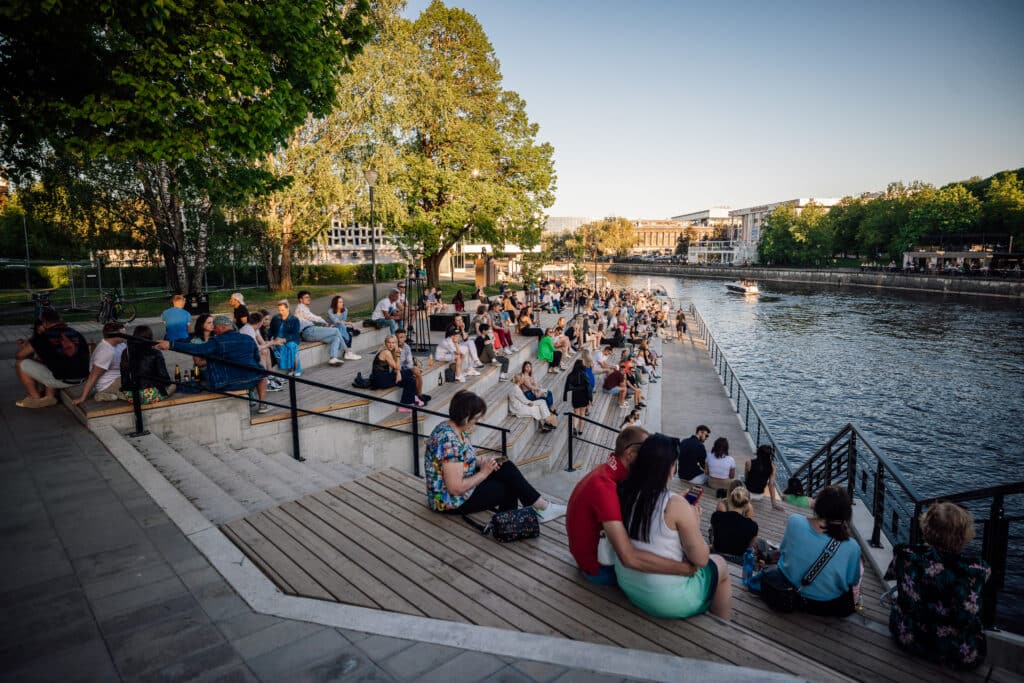
A sustainable destination is built together
Travellers today are paying closer attention not only to price and location, but also to the impact of their choices. More and more people want to know what kind of effect their trip has on the environment and the community they are visiting. Estonia has earned strong international recognition in this field. In Euromonitor International’s 2022 Sustainable Travel Index, Estonia ranked fourth in the world, reflecting the country’s growing reputation for responsible and forward-looking tourism development.
Tartu has also received international recognition through the Green Destinations programme, where the city has been awarded Platinum status. This reflects the city’s broader commitment to sustainability, from climate goals and green urban planning to low-emission transport options. At the same time, no destination can be sustainable on paper alone. Strategies and city-level ambitions matter, but they are only one part of the picture. A destination can only truly become more sustainable when local tourism businesses are making the same effort in their everyday work.
Why sustainability labels matter
This is where sustainability labels become important. A recognised label shows that a business has been assessed according to clear criteria rather than simply making vague environmental claims. For visitors, that makes it easier to make informed choices and avoid greenwashing. In other words, the label helps show that sustainability is not just part of the marketing language, but part of how the business actually operates.
Sustainability also means much more than sorting waste or cutting water use. Strong certification systems look at a much wider range of issues, including energy efficiency, waste reduction, responsible sourcing and consumption, staff wellbeing, accessibility, cooperation with local communities and the protection of cultural heritage.
In Tartu, two important sustainability labels currently stand out in the tourism sector: Green Key and Green Museum.

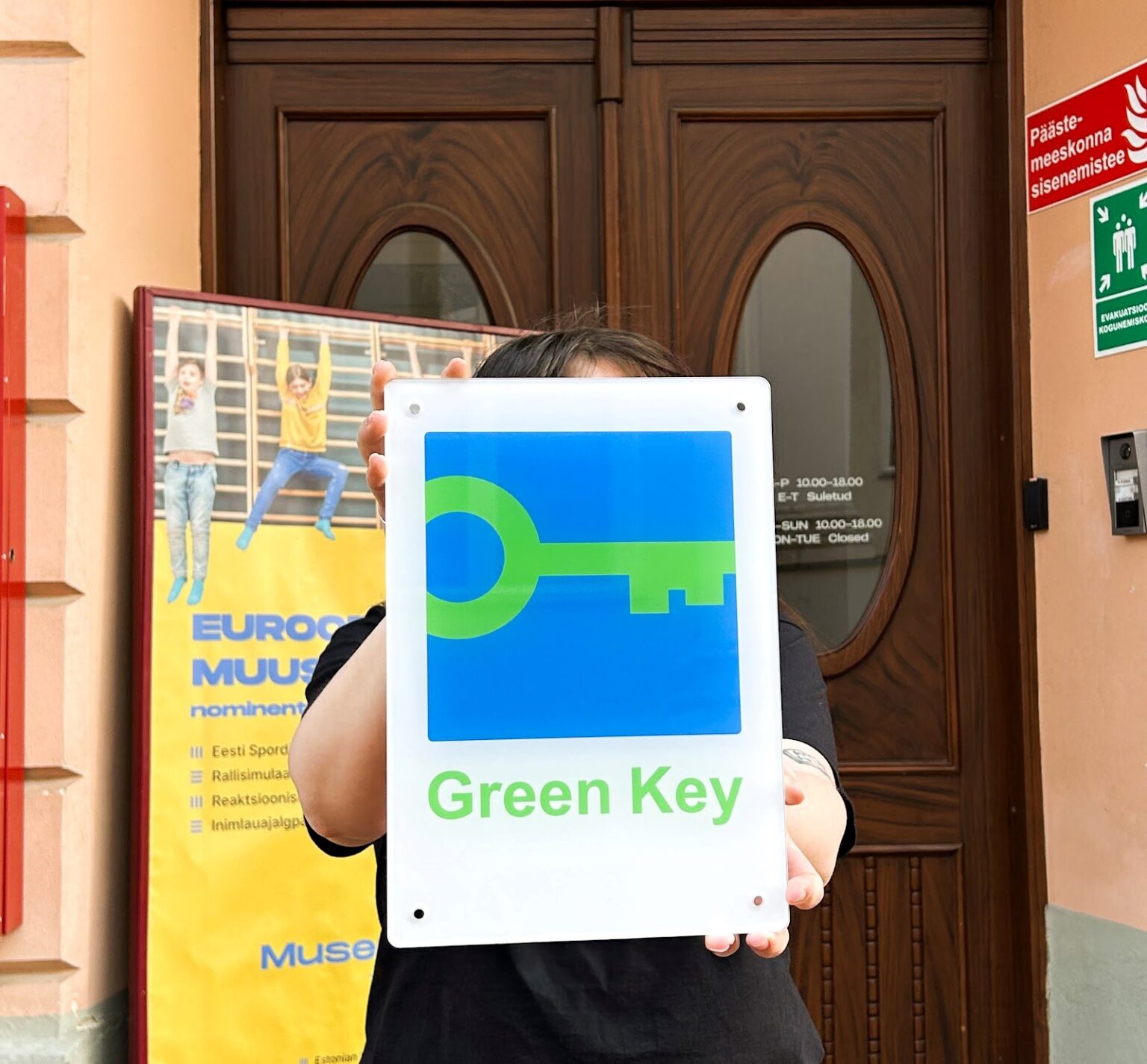
Green Key
Green Key is an internationally recognised sustainability label for tourism businesses. It is awarded to accommodation providers, restaurants, conference venues, attractions and other tourism operators that meet demanding environmental and sustainability standards.
What gives the label its value is the fact that it is based on actual performance. Green Key is not a symbolic gesture or a statement of good intentions. It requires concrete action and continued commitment. The assessment looks at issues such as energy and water use, waste reduction and daily environmental management, but also at how businesses encourage both staff and guests to make more sustainable choices. Its relevance is further strengthened by the fact that the standard is aligned with the principles of the Global Sustainable Tourism Council (GSTC).
Several well-known tourism businesses and attractions in Tartu already hold the Green Key label:
- Hotel Sophia
- Hotel Lydia and Restaurant Hõlm
- Art Hotel Pallas
- SOHO Hotel
- Hotel Tartu
- Restaurant Humal
- V Spa Hotel and Conference Centre
- Estonian Sports and Olympic Museum
- Dorpat Hotel
- AHHAA Science Centre
Green Museum
Museums have a particularly important role in sustainability. Like all institutions, they have their own environmental impact. At the same time, they also shape how people understand the world around them. Because of this, museums that work sustainably can do two things at once: protect cultural heritage and help build greater environmental awareness.
The Green Museum framework supports museums in assessing and reducing their environmental footprint and in embedding sustainable thinking across their everyday activities.
In Tartu, the following institutions have received the Green Museum label:
- University of Tartu Natural History Museum
- Tartu Botanical Garden
- Estonian National Museum
- University of Tartu Museum
- Tartu Toy Museum